What Sets an Authentic Southern Restaurant Apart
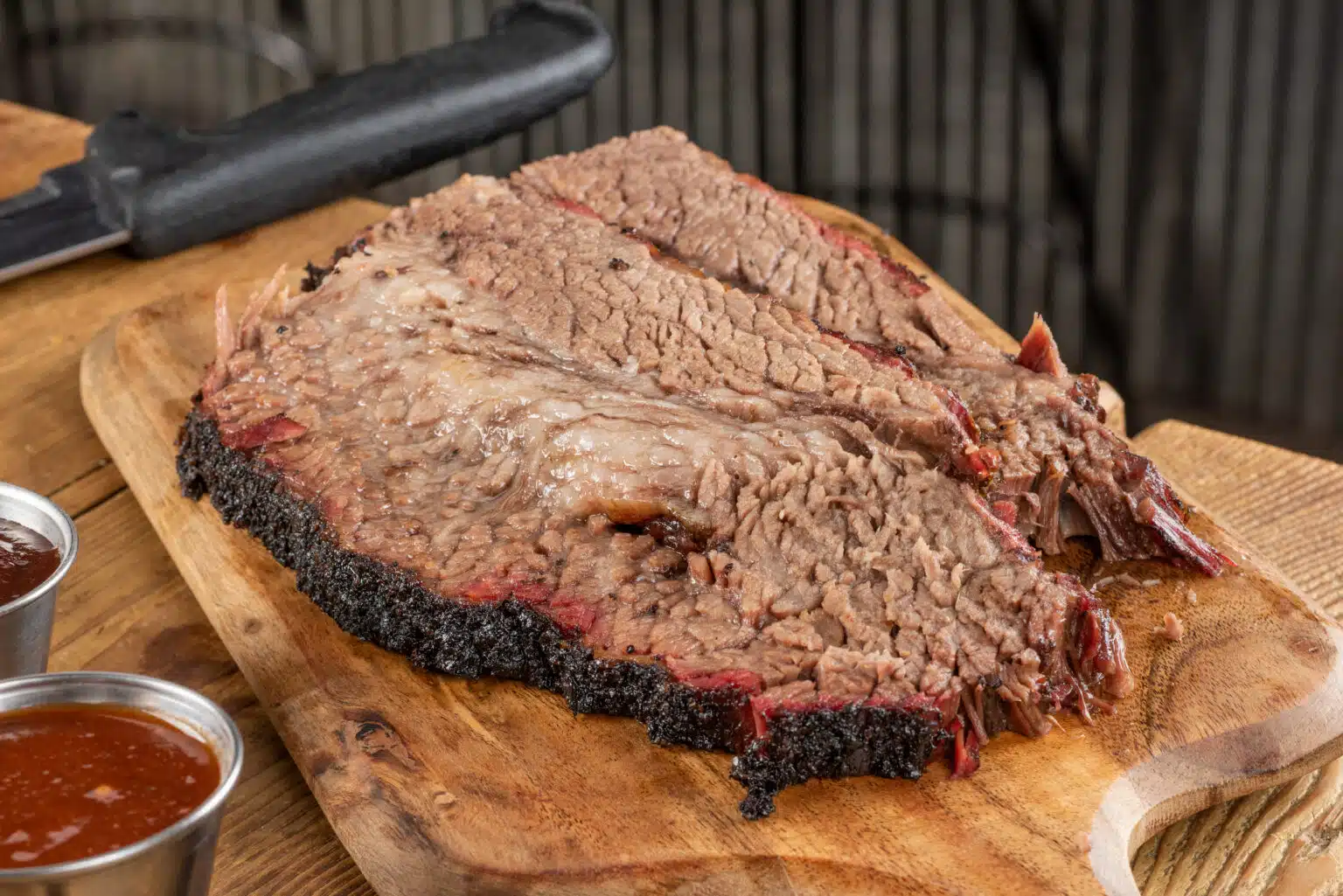
People use the word authentic too loosely in food. Sometimes it gets pinned to décor, a logo, or a menu item with a nostalgic name. In practice, authenticity in a Southern restaurant runs deeper than branding. You feel it in the pacing of service, the smell that meets you at the door, the seasoning in the greens, the crumb on the cornbread, the way the staff talks about the food, and the confidence to serve dishes that are humble rather than flashy.
A truly authentic Southern restaurant does not need to announce itself every few feet. It proves itself in dozens of small decisions, many of them invisible to the guest. That is part of what makes the category interesting. Southern food looks simple on the plate, but simplicity is often the final result of restraint, repetition, and hard-earned judgment. Anyone can fry chicken. Not everyone can fry it consistently through a busy dinner rush, keep the crust seasoned, hold the meat juicy, and pair it with sides that taste like someone cooked them because they matter, not because they needed to fill space on the plate.
The best Southern restaurants understand that authenticity is not about freezing the cuisine in time. Southern food has always evolved. It is shaped by African American culinary traditions, Indigenous ingredients and methods, European influences, coastal seafood culture, Appalachian preservation techniques, and the realities of agriculture, migration, and labor. Any serious discussion of an authentic Southern restaurant has to begin there. The food is regional, yes, but it is also historical and personal. That is why the places that get it right often feel grounded rather than performative.
It starts with a point of view, not a costume
An authentic restaurant of any kind needs conviction. In a Southern restaurant, that conviction shows up in the menu first. You can tell when a kitchen knows what part of the South it is drawing from and what stories it wants to tell. Lowcountry cooking is not the same as the food traditions of Mississippi Delta towns. East Texas barbecue culture is not interchangeable with meat-and-three cooking in Tennessee. Cajun and Creole food deserve precision rather than broad, lazy blending. The strongest restaurants know their lane, even when they borrow across regions.
That does not mean a menu has to be narrow. It means it should make sense. If a restaurant serves shrimp and grits, fried catfish, collards, chess pie, and pimento cheese, each dish should feel as though it belongs in the same house. There should be a thread tying the meal together, whether that thread is family influence, a state or subregion, church supper traditions, seasonal Southern produce, or a chef’s own upbringing. Guests may not articulate that coherence, but they notice it.
The opposite is also easy to spot. A menu that piles every vaguely Southern cliché into one place can feel hollow. Mason jars, reclaimed wood, and a biscuit on the logo do not create identity. A restaurant does. The best Southern restaurant operators understand that culture is not stage dressing. It is method, memory, ingredient choice, and hospitality made visible.
Technique matters more than nostalgia
One reason Southern food gets underestimated is that many of its signature dishes are associated with comfort. Comfort gets mistaken for ease. In reality, the food can be technically unforgiving. Fried foods punish inconsistent oil temperature. Braises demand patience and seasoning discipline. Biscuits expose every shortcut. Rice cookery, especially in coastal traditions, can reveal whether a kitchen has touch. Even macaroni and cheese, a dish many diners treat casually, can become gluey, dry, greasy, or bland with one wrong turn.
The restaurants that stand out tend to master a few core techniques and repeat them with almost stubborn consistency. Their cooks know the difference between crisp and hard, tender and mushy, smoky and acrid, rich and heavy. They understand carryover heat, resting time, dredging sequence, and how much acid a dish needs to keep richness from flattening the palate. They know that black-eyed peas need flavor built from the beginning, not sprinkled on top at the end. They know greens should taste of themselves as well as their potlikker. They know when to leave a bean whole and when to cook it down.
Real Southern cooking also respects texture. That is where many mediocre versions fail. Grits should not resemble wallpaper paste. Okra should not be written off as slimy because the kitchen did not know how to handle it. Banana pudding should hold structure without turning rubbery. Cornbread should suit the style being served, perhaps more savory and crusted in cast iron, perhaps softer and sweeter depending on tradition, but never as an afterthought from a steam tray. Texture is often the clearest sign that a kitchen is cooking from understanding rather than imitation.
The sides tell the truth
If I want to know whether a Southern restaurant is serious, I pay attention to the sides before the centerpiece. Entrées attract attention, but side dishes reveal standards. Plenty of places can produce one signature item. Fewer can make turnip greens, field peas, candied yams, stewed cabbage, butter beans, fried green tomatoes, and mashed potatoes that all deserve space on the plate.
Sides require care because they do not hide behind spectacle. A guest Southern restaurant walterspgh.com will forgive a little inconsistency in a dramatic entrée before forgiving lifeless greens or underseasoned lima beans in a restaurant that claims Southern roots. Sides also reflect whether the kitchen values thrift, seasonality, and full-flavor cooking, all central to Southern foodways. A pan of cornbread dressing made from scratch carries a different weight than a reheated starch chosen for convenience. So does a bowl of fresh slaw balanced with vinegar rather than sugar alone.
There is also an economic reality here. Historically, Southern cooking made brilliance out of modest ingredients. Beans, greens, rice, cornmeal, bones, off-cuts, and garden produce became complete expressions of flavor because cooks had to make them count. An authentic Southern restaurant honors that lineage by treating every dish as worthy of skill, not just the expensive proteins. You taste that respect immediately.
Hospitality is part of the cuisine
A Southern restaurant is not authentic merely because the food is accurate. Service matters, and not in the superficial sense of performative charm. Southern hospitality, when it is real, means warmth paired with competence. Guests feel seen. Water glasses do not sit empty for long. Staff can explain the menu without sounding rehearsed. Recommendations come from knowledge, not upselling. There is room for regulars and newcomers alike.
The finest service in Southern restaurants often carries an ease that looks effortless but rarely is. It requires training, trust, and a culture that values generosity. A server who says, “The collards today have a little extra heat, so if you want something milder, get the butter beans,” is doing more than taking an order. That person is translating the kitchen. A bartender who can explain why the bourbon pecan pie is less sweet than the guest expects is helping shape a better meal. These are small acts, but they create the sense that the restaurant is confident in itself.
Hospitality also includes pace. Southern meals, especially in their traditional settings, are often social and generous rather than rushed. That does not mean slow service. It means understanding rhythm. Food should arrive hot, but not slammed onto the table in chaotic waves. A guest ordering family style should feel encouraged to share. The room should have life without feeling frantic. This kind of pacing is difficult to teach if the operation itself is not well organized.
Ingredients should reflect place and season when possible
There is no single purity test for sourcing, and anyone who pretends otherwise is oversimplifying the business. Restaurants operate under cost pressures, supply disruptions, labor shortages, and local market realities. Still, the best Southern restaurant kitchens use ingredients in a way that feels connected to region and season. Tomatoes taste better in summer, greens turn sweeter after cold weather, peaches have a window, and local seafood varies by coast and catch.
That seasonal awareness affects more than specials. It changes how the kitchen thinks. A cook who respects Southern ingredients does not need every dish to be overloaded. Ripe produce can carry a plate if it is handled properly. Field peas with a little pork, sliced onion, and good broth can be as moving as a more expensive entrée when the peas are fresh and cooked with attention. The same goes for butterbeans, summer squash, sweet corn, or a simple tomato sandwich done with excellent bread and correct seasoning.
A restaurant can also be authentic without sourcing every item from a thirty-mile radius. That modern standard is often unrealistic and sometimes more about marketing than quality. What matters is whether the ingredients are chosen with knowledge. Good grits are not interchangeable with any ground corn product. Rice variety matters. So does the flour in a biscuit, the oil in the fryer, the smoke wood for barbecue, the fish species in a fry basket, and the pepper vinegar on the table. These details are not glamorous, but they shape the meal more than decorative touches ever will.
Smoke, fat, acid, and salt need balance
Southern cooking is frequently caricatured as heavy. That caricature usually comes from bad execution. Richness is certainly part of the tradition, but the best examples have balance. Smoke gives depth. Fat carries flavor and texture. Acid wakes the palate. Salt sharpens everything else. When those elements are in proportion, the food feels satisfying rather than exhausting.
Take fried chicken. Good fried chicken needs a seasoned crust, but that crust should not taste like a salt lick. The meat needs enough brine or seasoning to carry flavor beneath the breading. The oil must be clean. The crust should shatter lightly rather than detach in one greasy sheet. Pair it with collards that have brightness from vinegar and a creamy side that softens the crunch, and the plate becomes coherent. Leave out the acid or overseason the crust, and the whole thing drags.
The same principle applies across the menu. Pulled pork without tang can feel flat. Mac and cheese without a little sharpness can read as pure weight. Braised greens without depth are just wet leaves. Biscuits with no salt taste unfinished, no matter how much butter arrives alongside them. Authenticity is not achieved by maximum richness. It is achieved by understanding what makes rich food craveable enough for the next bite.
An authentic menu leaves room for understatement
One mark of confidence in a Southern restaurant is the willingness to serve food that some operators would consider too plain to sell. A bowl of beans and cornbread. A vegetable plate. Liver and onions on a weekday lunch menu. Hoppin’ John during the right season. Smothered pork chops with gravy that looks modest but tastes like it simmered under close supervision. These dishes do not always photograph well. They rarely become internet sensations. Yet they are often the dishes that return guests remember most.
That matters because authenticity is tied to memory, and memory in food is often ordinary rather than theatrical. People remember the roast chicken their grandmother basted with pan juices, the peach cobbler cooling near a window, the smell of onions and bacon starting in a pot, or a Sunday table where three casseroles competed for space. A Southern restaurant that understands this does not chase attention on every plate. It leaves room for dishes whose value lies in comfort, craft, and continuity.
There is a business risk in that choice. Modest dishes can be harder to price persuasively than premium cuts or seafood towers. They also require trust from the diner. But when the restaurant builds credibility, those dishes become a signature. They tell guests, with quiet force, that the kitchen cooks what it believes in.
The room should support the food, not distract from it
Atmosphere matters, but not in the theme-park sense. Some of the best Southern restaurants are polished dining rooms with white tablecloths and restrained design. Others are cinderblock institutions with a counter, fluorescent lights, and sweet tea moving fast. Authenticity does not live in one aesthetic. What matters is whether the room feels honest to the food and the people serving it.
A mismatch can break the spell. If the room is trying too hard to signal rustic charm while the food feels generic, guests sense the disconnect. If the menu promises deep tradition but the music, lighting, and service cadence suggest a concept built from mood boards, the place can feel studied instead of lived in. The strongest spaces are coherent. They make room for conversation. They keep the dining room clean, comfortable, and functional. They do not rely on props to communicate Southern identity.
Even scent plays a role. Walk into a real Southern restaurant near service, and you should catch clues from the kitchen, perhaps stock reducing, chicken frying, biscuits baking, sausage browning, smoked meat resting. Those aromas do more work than a wall of vintage signs ever could.
Authenticity includes who gets credit
Southern food in the United States cannot be discussed honestly without acknowledging the people who built it, especially Black cooks and communities whose techniques, ingredients, and labor shaped the cuisine in foundational ways. That history is not decorative context. It is central. Restaurants that present Southern food responsibly tend to understand this, whether explicitly on the menu, through storytelling, through recipe lineage, or through the integrity of the cooking itself.
This does not require a lecture with every plate. It requires respect, accuracy, and humility. If a chef draws from family recipes, they should say so. If a restaurant leans on a specific regional tradition, it should represent it carefully rather than flatten it into a trend. If a menu borrows language from foodways with deep cultural meaning, that language should be used with understanding.
Guests do not need a dissertation to appreciate that seriousness. They only need to sense that the restaurant knows where its food comes from and is not trying to erase the hands that carried it forward.
Price alone is a poor measure
There is a common mistake in how diners judge a Southern restaurant. Some assume authenticity must be cheap. Others assume a high check average guarantees quality. Neither is reliable. Southern food can be affordable because many traditional dishes are built from humble ingredients, but running a restaurant is expensive, and scratch cooking is labor intensive. Good frying, proper butchery, long braises, daily baking, and fresh sides all cost money.
A restaurant charging more for Southern food is not automatically betraying the cuisine. The question is whether the price reflects quality, labor, sourcing, and service, or whether the restaurant is using the idea of Southern food as a style premium. You can often tell by what is happening in the details. Are biscuits warm and clearly fresh? Do vegetables taste cared for? Is the pie made in-house? Does the staff know the menu? Is the dining room maintained with discipline? Price becomes easier to accept when value is apparent in the whole experience.
At the same time, some of the most authentic Southern restaurant meals remain wonderfully modest in cost, especially in long-running local places where volume, simplicity, and community support keep prices within reach. Those restaurants deserve recognition not because they are cheap, but because they preserve standards without ornament.
How diners can tell the difference
A guest does not need professional kitchen experience to identify an authentic Southern restaurant. Pay attention to consistency, confidence, and care. Notice whether the restaurant tries to impress you with labels or with flavor. Listen to how the staff talks about the dishes. Look at whether the menu seems assembled from trend forecasts or from a lived culinary point of view. Most of all, taste the basics.
If the biscuit is dry, the greens are flat, the gravy tastes of flour but not drippings, and the banana pudding could have come from a commissary tub, the concept likely outran the craft. If the plate looks simple but every component tastes distinct, seasoned, and intentional, you are probably in a place that understands itself.
An authentic Southern restaurant does not need to be old, rural, family-run, or casual. It can be any of those things, but authenticity is not a museum quality. It is the result of knowing what you are cooking, why you are cooking it, and how to make guests feel the difference. That difference lives in the potlikker, the crust, the rice, the timing, the welcome, and the integrity behind the menu.
When all of those elements come together, the meal lands with unusual force. It feels generous without waste, familiar without laziness, and rooted without becoming rigid. That is what sets an authentic Southern restaurant apart. It serves more than regional dishes. It serves a tradition with clarity, skill, and respect.
Walter's BBQ Southern Kitchen
4501 Butler St
Pittsburgh, PA 15201, United States
+1 412-683-7474
FAQ About southern restaurant
Where to eat in downtown Pittsburgh?
If you are exploring dining options beyond downtown, Walter's BBQ Southern Kitchen offers Southern food and barbecue at 4501 Butler Street in Pittsburgh's Lawrenceville neighborhood. It is outside downtown, so allow travel time when planning your visit.
What is a must eat in Pittsburgh?
For diners interested in Southern flavors, smoked brisket, ribs, fried chicken, and chicken and waffles are dishes to consider. Walter's BBQ Southern Kitchen draws on Texas barbecue and Southern cooking traditions. Check the current menu for the dishes available during your visit.
What are some of Pittsburgh's unique restaurants?
Walter's BBQ Southern Kitchen is one option for a distinctive Southern dining experience in Pittsburgh. Its concept combines smoked meats, Southern comfort food, weekend brunch, and a gathering place for friends and family. The restaurant is located on Butler Street in Lawrenceville.