Southern Restaurant Pittsburgh, PA: Comfort Food Worth Savoring

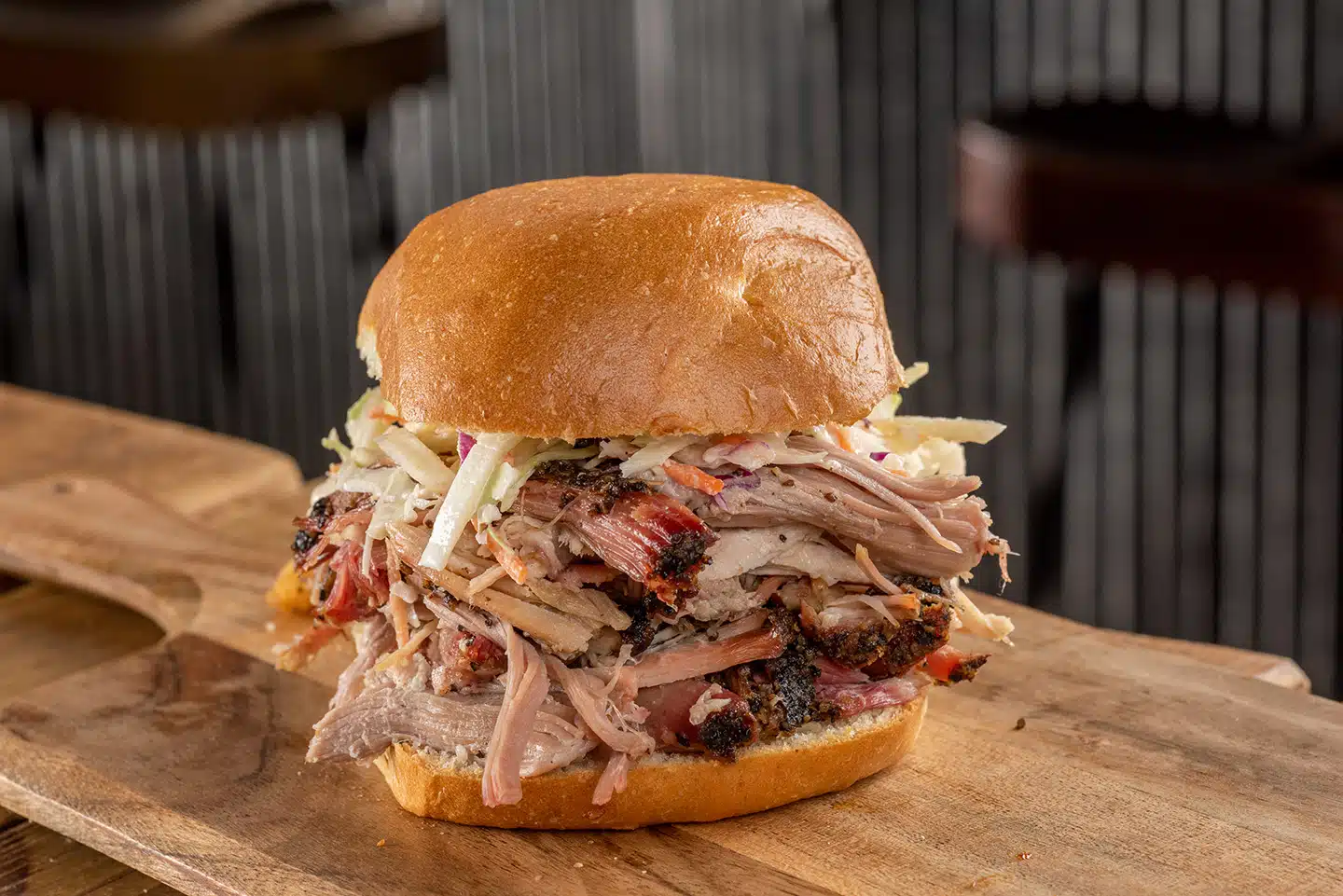
Pittsburgh has always understood hearty food. This is a city built on long shifts, cold weather, neighborhood loyalties, and a strong respect for a plate that feels generous before the first bite. That is part of why Southern cooking lands so well here. The best Southern food does not chase novelty. It aims for satisfaction, balance, and memory. Done right, it brings crisp edges, slow-cooked depth, acidity where you need it, and enough warmth to make a table go quiet for a minute.
Looking for a great southern restaurant Pittsburgh, PA diners will return to is not really about finding a place that can fry chicken or spoon gravy over biscuits. Plenty of kitchens can manage the surface details. The difference shows up in restraint, timing, seasoning, and confidence. Fried chicken should shatter lightly when you cut into it, not drag away from the meat in one greasy sheet. Mac and cheese should taste like actual cheese, not a vague cream sauce. Greens should carry smokiness and bitterness together, with enough vinegar to keep the pot honest. Cornbread is where a lot of places reveal themselves fast. If it is dry, cake-like, or overly sweet without purpose, the meal usually follows the same pattern.
In Pittsburgh, that scrutiny matters because diners here do not reward empty style for very long. They appreciate a restaurant that understands comfort food without treating it casually.
Why Southern food fits Pittsburgh so well
There is a natural overlap between Southern restaurant cooking and the kind of food culture Pittsburgh residents tend to value. Both traditions respect thrift, patience, and flavor built from ingredients that were never meant to be glamorous. Beans, greens, grits, smoked meats, gravy, skillet bread, and braised cuts all come from a practical approach to feeding people well. That practicality can create some of the most memorable dishes in any city.
Weather plays a role too. A plate of shrimp and grits, a bowl of gumbo, or a side of red beans and rice makes perfect sense on a damp Western Pennsylvania evening. So does hot chicken, pimento cheese, or a proper biscuit sandwich on a weekend morning when the sidewalks are still quiet. Southern food is not only rich. At its best, it is deeply structured. Pepper cuts fat. Pickles sharpen soft foods. Vinegar lifts long-cooked vegetables. Spice wakes up dishes that might otherwise feel heavy.
That balance is what keeps comfort food from becoming one-note. It is also what separates a thoughtful kitchen from one that mistakes excess for hospitality.
What a strong Southern kitchen gets right
A serious Southern restaurant usually reveals its standards in the so-called simple dishes. The menu may include spectacular centerpieces, but the real test often lies elsewhere. A biscuit tells you about flour handling, fat choice, and restraint. Potato salad tells you whether the kitchen knows how to season cold food properly. Coleslaw shows whether someone understands texture and contrast. Even sweet tea says something about discipline. It should taste deliberate, not dumped together.
Texture is the first thing I notice. Southern cooking depends on contrast more than many people realize. Think about a classic plate of fried catfish with slaw and hush puppies. You need the crust to be crisp but not hard, the fish to stay moist, the slaw to stay cold and lively, and the hush puppies to feel tender inside rather than dense. If every component arrives soft, greasy, or overly salted, the whole style gets unfairly written off as heavy.
The second marker is seasoning. Good Southern food uses salt generously, but it should never taste blunt. Black pepper, cayenne, paprika, garlic, onion, mustard, hot sauce, pickle brine, vinegar, brown butter, smoked pork, and stock all have jobs to do. A kitchen that knows how to layer these flavors can make a bowl of grits feel complete rather than plain. A kitchen that does not will start piling on shredded cheese and hoping for the best.
Then there is pacing. Some dishes need patience long before service starts. Braised collards, gumbo, banana pudding, and smoked meats improve when time has had a chance to do its work. Other dishes demand minute-by-minute attention. Fried green tomatoes need to be served quickly. Biscuits do not wait around. Chicken and waffles can go from crisp and balanced to limp and sticky in a short window. Southern food rewards restaurants that understand when to move fast and when not to rush at all.
The dishes that deserve your attention
Not every diner wants the same version of Southern cooking. Some come looking for Lowcountry flavors, some want Nashville heat, some want New Orleans influence, and some simply want a deeply satisfying brunch. In Pittsburgh, menus vary, so it helps to know what signals quality rather than chasing a single iconic plate.
Fried chicken remains the obvious benchmark, and for good reason. It demands technical control. The coating needs adherence, the oil must be at the right temperature, the meat should stay juicy, and the seasoning should reach beyond the crust. The best versions feel almost weightless despite their richness. You finish a piece and immediately want another. The weaker versions make you reach for water and wonder if the kitchen changed the oil too late in the day.
Shrimp and grits can be excellent in Pittsburgh when the kitchen respects the grits instead of treating them as a blank beige base. Proper grits have body and character. They should be creamy without turning gluey, and they need enough salt and butter to taste complete even before the shrimp go on top. When the shrimp are cooked just to the point of tenderness and the sauce carries some acidity, the whole dish comes into focus.
Biscuits and gravy deserve special attention because they often expose shortcuts. Good sausage gravy is not just thick white sauce with pepper floating in it. It should taste deeply of the sausage itself, with enough browned flavor from the pan to keep the cream in check. The biscuit underneath matters just as much. If it collapses into paste on contact, the dish loses all shape.
Sides can steal the meal. That is not an exaggeration. A restaurant with excellent sides usually has a serious kitchen. Smoked greens with a clean potlikker, baked beans that taste slow-cooked instead of sugary, crisp okra without gummy centers, and mac and cheese with a browned top and clear cheese flavor all suggest attention to detail. I have had plenty of meals where the main item was good and the sides were what made me plan the return visit.
Dessert should not be an afterthought either. Banana pudding, peach cobbler, chess pie, bread pudding, and hummingbird cake all rely on balance. Sweetness alone is not enough. You want spice, fruit character, a little salt, maybe a touch of bitterness from caramelization. In a city where rich food is easy to find, dessert still needs structure.
Brunch is where many Southern restaurants earn their following
Dinner may establish a restaurant’s credibility, but brunch often builds its reputation. Pittsburgh diners take brunch seriously, especially on weekends when people are willing to wait for something that feels both indulgent and worth leaving the house for. Southern-inspired brunch menus tend to succeed because they offer familiar comfort with enough personality to feel special.
Chicken and waffles is the obvious draw, but it is also easy to get wrong. The waffle should be more than a syrup sponge. It needs crisp edges and enough flavor to stand beside the chicken. Syrup should support, not drown. A little hot sauce or honey with heat often does more for the dish than extra sweetness ever could.
Biscuit sandwiches tend to fare better because they travel the line between breakfast and lunch so naturally. Egg, cheese, sausage, bacon, fried chicken, pimento cheese, or tomato jam can all work, but only if the biscuit itself remains the star. A weak biscuit turns the whole thing into a burden.
Brunch cocktails matter more than some restaurateurs admit. A sharp Bloody Mary, a clean mimosa, or a bourbon drink with citrus can cut through the richness of the food. In a Southern-leaning space, cocktails often help the meal feel complete rather than overloaded. That is especially true when the menu runs heavy on gravy, fried items, and sweets.
Atmosphere matters, but not in the way people think
When people search for a southern restaurant Pittsburgh, PA visitors and locals alike sometimes expect a particular kind of décor, maybe reclaimed wood, cast iron skillets on the wall, a porch feel, or a heavy country soundtrack. Those details can be pleasant, but they do not make the meal. Some of the best Southern food is served in rooms that feel modern, stripped back, or almost casual to the point of understatement.
The better question is whether the restaurant understands hospitality. Southern food carries expectations around warmth, pace, and generosity. Service should feel attentive without hovering. Staff should be able to guide a diner through the menu with confidence, especially if the offerings pull from several Southern traditions rather than one regional lane. If a guest asks about the difference between a biscuit plate and a brunch entrée, or whether the heat level on the chicken runs mild or serious, the answer should be clear and useful.
Music and room layout matter too, but only insofar as they support the experience. If the room is so loud that a table cannot hear itself, comfort food loses some of its comfort. If the seating is cramped and the courses arrive all at once, a generous meal begins to feel rushed. Restaurants that do this style well understand that diners often come in groups, order extra sides, and linger a bit. The room should allow for that.
Regional nuance is not a small detail
“Southern food” is a useful phrase, but it covers a huge amount of ground. A restaurant may lean toward the Carolinas, Louisiana, Tennessee, Georgia, Texas, or a broader comfort-food interpretation that borrows a little from each. That matters because diners sometimes judge a dish against the version they grew up with, and those versions may differ a lot.
Take barbecue. Carolina styles bring vinegar or mustard into the conversation. Memphis may suggest dry rubs and ribs. Texas points many diners toward brisket. A Pittsburgh restaurant does not need to master every regional form, but it does need to know what it is trying to be. The same goes for gumbo, jambalaya, and étouffée, where Cajun and Creole influences shape flavor, color, spice, and texture in meaningful ways.
This is where honesty on the menu helps. A restaurant that clearly signals its perspective tends to earn more trust than one that throws every Southern keyword onto the page. Focus usually tastes better than ambition without discipline.
How to judge value without reducing everything to portion size
Pittsburgh diners generally expect fair pricing, and Southern food can create a strange tension around value. On one hand, many dishes come from frugal traditions. On the other, restaurant labor, sourcing, and time-intensive preparation can make even humble ingredients expensive to execute well.
A huge plate is not always the best deal. If the chicken is fried to order, the biscuits are made in house, the sausage gravy is built from scratch, and the sides show care, a higher price may be justified. What disappoints people is paying premium prices for food that feels industrial, over-salted, or assembled rather than cooked.
Portion size still matters, just not as the only measure. I would rather pay for a balanced plate that I finish happily than a tray of excess that turns greasy by the halfway point. The best restaurants in this category understand where abundance helps and where it simply blunts flavor. Extra pickles, another biscuit, a well-filled side dish, those choices feel hospitable. Giant scoops of under-seasoned starch do not.
Neighborhood expectations and the local dining rhythm
Pittsburgh’s neighborhoods shape dining habits more than outsiders often expect. Some diners want a polished night out with cocktails and a reservation. Others want a relaxed lunch, a quick pickup https://jeffreyptjg391.theglensecret.com/soulful-suppers-at-a-southern-restaurant-in-pittsburgh-pa order, or a casual Sunday brunch after walking the dog or visiting family. A Southern restaurant that thrives here usually knows which rhythm it fits.
Accessibility matters. Parking, public transit, wait times, and takeout quality all influence repeat business. Fried food in particular can struggle in transport if packaging traps steam and destroys crispness. Restaurants that plan for takeout tend to adjust venting, timing, and menu recommendations accordingly. That is a small operational detail, but it affects whether diners trust the place for more than dine-in occasions.
Seasonality can shift things too. Heavier braises and richer specials often feel especially welcome in fall and winter, while summer invites tomato salads, lighter seafood dishes, and porch-friendly drinks. A flexible Southern menu can honor comfort without feeling static all year.
What regulars tend to notice before anyone else
Frequent diners develop a sharper eye for consistency than first-time guests. They notice whether the biscuit basket changes from visit to visit, whether the fry cook is on point during busy brunch service, whether the greens still have structure late in the evening, whether the kitchen keeps the same standard on a Tuesday as on a Saturday.
That consistency is hard work. Restaurants live or die on it. The strongest Southern kitchens build systems around recipes that can handle pressure without feeling standardized into blandness. That means training, tasting, prep discipline, and a clear identity. It also means saying no to menu sprawl. A restaurant that tries to serve every classic often struggles to maintain quality across the board.
Regulars also notice when a place evolves intelligently. Maybe the cornbread gets better after a recipe adjustment. Maybe a seasonal dessert becomes a surprise hit. Maybe the kitchen tightens its hot chicken heat levels so guests know what they are ordering. These are not flashy changes, but they build trust. Trust is what turns a pleasant dinner into a neighborhood favorite.
The meal people remember
The Southern meals that stay with people are rarely memorable because they were excessive. They are memorable because each part of the plate felt considered. The biscuit was warm enough to steam when opened. The butter tasted fresh. The chicken crust had spice in it, not just on it. The greens carried smoke and tang. The mac and cheese held together on the fork. Dessert arrived when you thought you were too full and somehow still sounded necessary.
That kind of meal feels generous in a way that goes beyond quantity. It reflects care, technique, and judgment. In Pittsburgh, where diners are quick to appreciate substance, that matters.
Anyone searching for a southern restaurant Pittsburgh, PA can truly claim should look past the obvious buzzwords and focus on the signs that point to a kitchen with conviction. Does the menu show focus? Do the staples get the same attention as the specials? Does the meal deliver contrast, balance, and warmth instead of just heaviness? Are the sides worth ordering on their own? Those are the questions that tend to lead to the right table.
When the answer is yes, Southern food in Pittsburgh feels less like a trend and more like a natural fit, a cuisine built on comfort, sharpened by craft, and worth savoring slowly.
Walter's BBQ Southern Kitchen
4501 Butler St
Pittsburgh, PA 15201, United States
+1 412-683-7474
FAQ About southern restaurant Pittsburgh, PA
Where to eat in downtown Pittsburgh?
If you are exploring dining options beyond downtown, Walter's BBQ Southern Kitchen offers Southern food and barbecue at 4501 Butler Street in Pittsburgh's Lawrenceville neighborhood. It is outside downtown, so allow travel time when planning your visit.
What is a must eat in Pittsburgh?
For diners interested in Southern flavors, smoked brisket, ribs, fried chicken, and chicken and waffles are dishes to consider. Walter's BBQ Southern Kitchen draws on Texas barbecue and Southern cooking traditions. Check the current menu for the dishes available during your visit.
What are some of Pittsburgh's unique restaurants?
Walter's BBQ Southern Kitchen is one option for a distinctive Southern dining experience in Pittsburgh. Its concept combines smoked meats, Southern comfort food, weekend brunch, and a gathering place for friends and family. The restaurant is located on Butler Street in Lawrenceville.