Southern Restaurant Meals That Celebrate Southern Roots
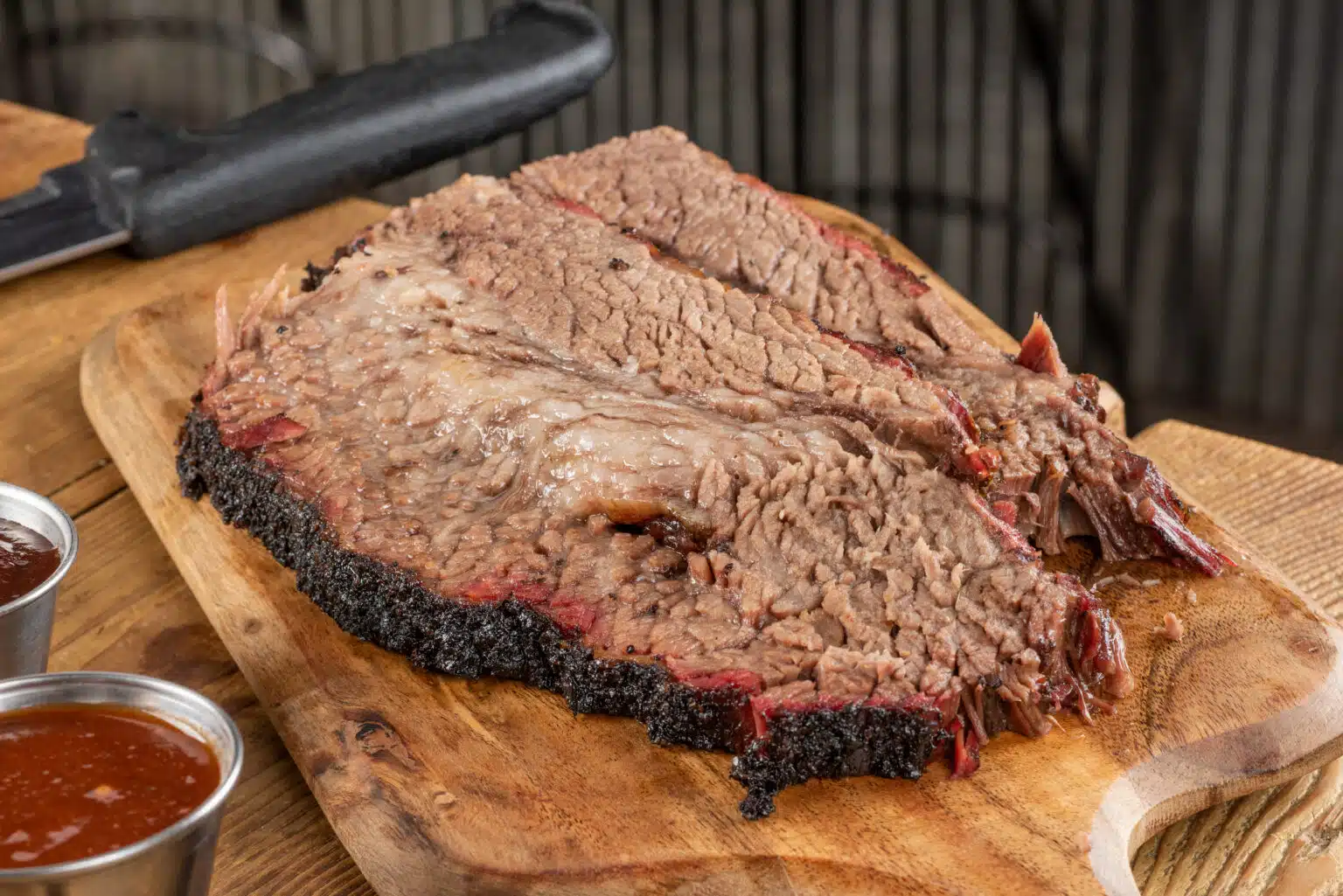
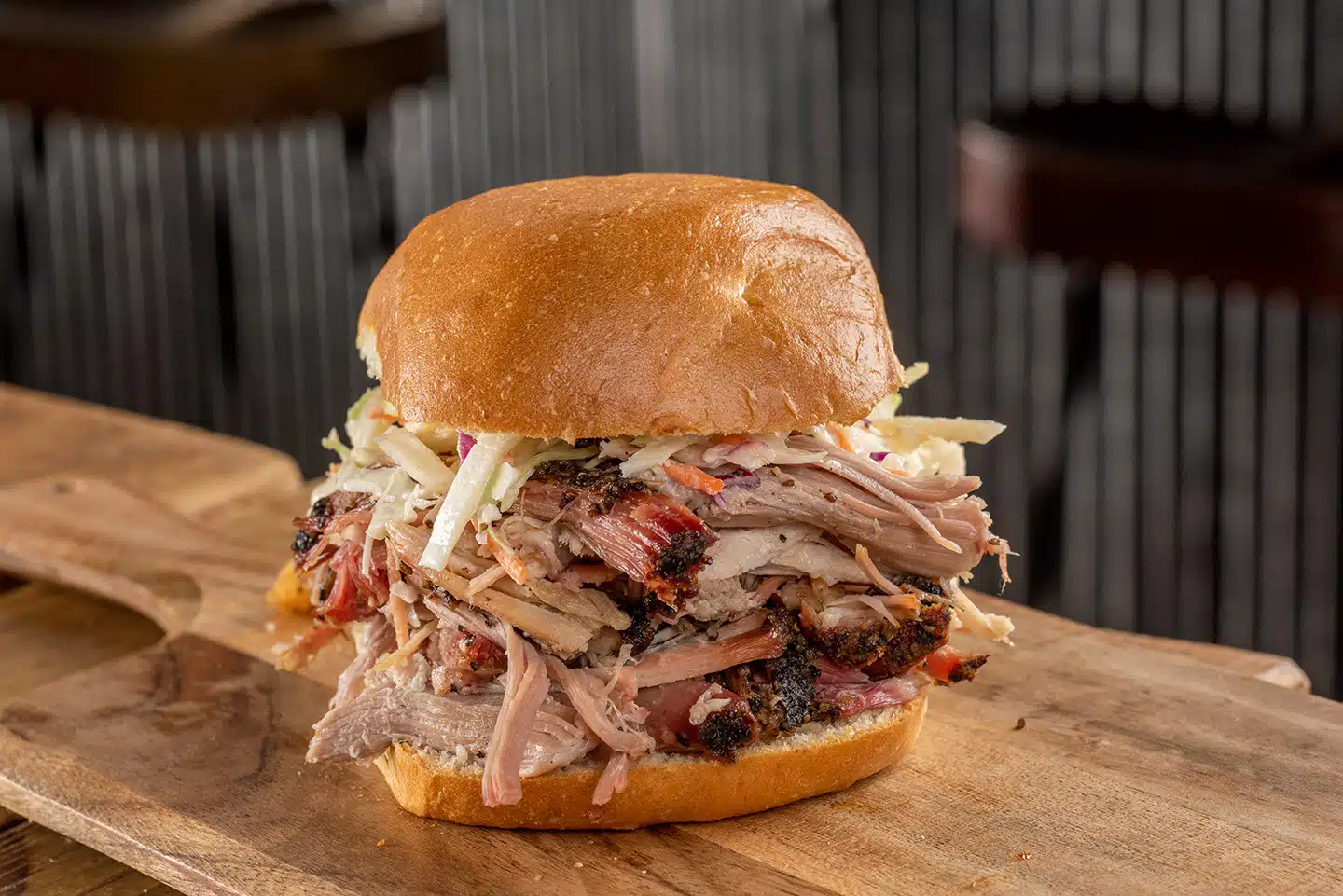

The best Southern restaurant meals do more than fill a table. They tell you where you are. They carry the weather, the soil, the local church cookbook, the long Sunday after service, the fish camp on a Friday night, the roadside stand selling peaches in July, the cast iron skillet that never quite lost the seasoning from the last generation. Southern food at its best is not a novelty act and not a costume. It is regional cooking with memory built into it.
That matters because Southern cuisine is often flattened into a handful of clichés. People talk about it as if it begins and ends with fried chicken, biscuits, and sweet tea. Those dishes matter, Southern restaurant certainly, but they represent only a narrow slice of a broad, layered food tradition shaped by Black cooks, Indigenous ingredients, immigrant influence, farm economics, church suppers, Gulf waters, Appalachian smokehouses, and Lowcountry rice fields. A serious Southern restaurant understands that complexity. It may serve familiar favorites, but it does so with attention to place, season, and lineage.
When a menu genuinely celebrates Southern roots, you can usually feel it before the plate lands. The wording is specific, not ornamental. The staff can tell you why the grits are milled the way they are, where the greens come from, why the cornbread is baked in a skillet instead of a pan, why one town serves Brunswick stew one way and another town argues for a different version. Nothing feels pasted on. Every dish has a reason.
What makes a meal feel truly Southern
The soul of Southern cooking lies in resourcefulness and care. That may sound romantic, but it is also practical. Many foundational dishes came from making excellent food out of modest means. Potlikker from braised greens, cornbread from readily available cornmeal, field peas simmered with smoked meat, catfish pulled from nearby waters, okra fried, stewed, or slipped into gumbo because it grows well in the heat. Good Southern cooking respects ingredients, but it also respects thrift, time, and labor.
A restaurant that gets this right does not need to overstate it. You see it in the treatment of vegetables. In much of the South, vegetables are not side notes. They are the meal’s backbone. Butter beans cooked until creamy, green beans stewed low and slow, squash casserole with a browned top, stewed tomatoes that taste like late summer, black eyed peas that hold their shape instead of collapsing into mush. Even when meat is present, vegetables often carry the emotional center of the plate.
There is also a specific kind of hospitality wrapped into Southern meals, though it is often misunderstood. Real hospitality is not performative sweetness. It is generosity with structure. Drinks stay filled. Food comes out hot. Portions make sense for the setting. Staff know when to chat and when to let the table settle in. In many established Southern dining rooms, the service rhythm feels almost familial, not because it is casual, but because it is practiced.
Fried chicken, the benchmark everyone notices
If there is one dish that immediately reveals whether a Southern restaurant knows itself, it is fried chicken. Almost everyone serves it. Very few places serve memorable fried chicken.
Excellent Southern fried chicken starts long before the oil. The seasoning has to penetrate the meat. A light but effective brine, a buttermilk soak, or a well seasoned dredge can all work, but the result should taste complete all the way through. The crust should cling to the bird, not slide off in one shell like a costume. It needs color, craggy texture, and restraint. Too pale and it tastes timid. Too dark and the bitterness overwhelms the meat.
The harder part is balance. Dark meat should stay juicy without bleeding into undercooked territory. White meat should remain tender, which is where many kitchens fail. Timing, oil temperature, and hold time all matter. Fried chicken that sits too long under heat lamps dries out quickly, and no amount of hot sauce can rescue it. In a Southern restaurant with standards, fried chicken arrives with purpose, often alongside mashed potatoes, collard greens, mac and cheese, or biscuits that deserve their own attention.
The best versions also understand context. In some places, fried chicken belongs on a Sunday plate with gravy. In others, it comes with waffles, pepper jelly, or a biscuit sandwich. Those pairings can work beautifully, but they should feel tied to local dining habits rather than designed for a social media post.
Biscuits and cornbread, a quiet measure of skill
Bread often reveals more than an expensive entrée. A biscuit tells you whether the kitchen respects texture and timing. The ideal Southern biscuit is not just fluffy. That word has become too vague to mean much. A great biscuit has defined layers, a tender crumb, enough salt to avoid blandness, and a top that bronzes rather than dries out. It should open easily by hand, releasing steam and that unmistakable aroma of butter and flour. If it needs to be sawed apart with a knife, something went wrong.
Cornbread is even more divisive, and that is part of the fun. Across the South, cornbread arguments can get lively very quickly. Should it be sweet or not? Should it be cakey or crumbly? Skillet baked with crisp edges or softer from a baking dish? There is no universal answer, only regional preference and house style. What matters is confidence. A kitchen should know which cornbread it serves and why. If the recipe tastes hedged, trying to please every camp at once, it rarely satisfies anyone.
At many respected Southern tables, biscuits and cornbread are not interchangeable. A meal with fried chicken and gravy may lean toward biscuits. A plate of beans, greens, and onions often begs for cornbread. Seafood spreads can go either way depending on the coast and the cook. These choices are subtle, but they create a meal that feels rooted instead of generic.
Smoke, pork, and the language of patience
No discussion of Southern restaurant meals is complete without barbecue, but barbecue deserves precision. It is not one thing. The Carolinas, Tennessee, Kentucky, Texas influences near the western edge of the South, and smaller local traditions all have their own methods, woods, sauces, and loyalties. A thoughtful Southern restaurant does not blur those distinctions for convenience.
Pulled pork in eastern North Carolina style carries a vinegar tang that cuts through richness. In parts of South Carolina, mustard based sauces bring brightness and bite. Memphis traditions may emphasize dry rub and pork ribs. In Alabama, white sauce has its place, especially with smoked chicken. These are not marketing details. They are expressions of migration, agriculture, and community taste.
The Southern restaurant common thread is patience. Properly smoked meat cannot be rushed. The outer bark has to develop. Fat must render without turning greasy. The smoke should be present but not harsh. Good pitmasters know that wood choice, airflow, and resting time shape flavor as much as seasoning does. You taste that discipline in chopped pork tucked onto a bun with slaw, in ribs with a clean bite, and in brisket when it appears on menus influenced by border regions and cross regional technique.
Barbecue plates also reveal something essential about Southern meals: the side dishes are not filler. Slaw can be sharp, creamy, or peppery. Baked beans may carry molasses, brown sugar, or a deep savory edge from drippings. Potato salad can lean mustard bright or mayo soft. Brunswick stew, when made well, is smoky, tomato touched, and substantial enough to stand on its own. In many barbecue restaurants, the sides do half the storytelling.
Seafood where the South meets the water
The South’s food identity is inseparable from its coasts, bays, rivers, and inlets. A Southern restaurant near the Gulf or Atlantic often tells its truest story through seafood. Shrimp and grits remains one of the clearest examples. It has traveled far beyond its original context, and with that popularity has come a lot of confusion. At its best, shrimp and grits is not merely shrimp on bland porridge with random toppings. It is a structured dish built on quality grits, careful stock or dairy enrichment, and shrimp cooked just to doneness.
The grits matter as much as the shellfish. Stone ground grits have texture and personality. Quick grits can fill a plate, but they rarely give the same depth. The shrimp need seasoning and proper heat, whether they are sautéed with bacon and scallions, folded into a light gravy, or sharpened with a little lemon. If the dish is loaded with so much cheese, cream, and sausage that the shrimp disappear, the balance is off.
Then there are crab cakes that actually taste like crab, oyster roasts that capture the briny ease of a coastal gathering, seafood gumbo dark with roux, redfish with a crisp sear, and fried catfish with hush puppies and slaw. Hush puppies, incidentally, are another litmus test. The outside should crack lightly, the inside should stay tender, and the onion note should be present without dominating. A basket of tired, dense hush puppies can sink an otherwise good fish plate.
Coastal Southern cooking often carries a different sense of brightness than inland comfort food. Citrus, herbs, pepper vinegar, and fresh herbs show up more frequently. The richness is still there, but it is often balanced by brine or acid. That contrast keeps seafood meals from feeling heavy.
The Lowcountry table, where history sits in every pot
Some of the most distinctive Southern restaurant meals come from the Lowcountry, where rice culture, Gullah Geechee foodways, and coastal access created a cuisine that is unmistakable when treated with respect. Red rice, shrimp perloo, crab rice, okra soup, Frogmore stew, and she crab soup all belong to a culinary landscape with deep historical roots.
These dishes reward restraint. She crab soup, for example, should be delicate enough to let the crab come through, not so thick that it resembles gravy. Red rice needs separate grains and developed flavor, not a wet tomato mash. Perloo should taste like a conversation between stock, rice, and protein, each element supporting the others. The best Southern restaurant kitchens working in this tradition understand that elegance and comfort can live on the same spoon.
Lowcountry cooking is also a reminder that Southern food owes an immense debt to African and African American culinary knowledge. Rice cultivation, seasoning traditions, ingredient combinations, and cooking methods were not abstract contributions. They were concrete foundations. Restaurants that present this cuisine thoughtfully do not erase the hands that shaped it.
Meat and three, the format that still says home
There may be no meal more reassuring than the classic meat and three. It is straightforward, democratic, and deeply Southern. Choose a main, pick your vegetables, add bread, and sit down to a plate that looks like someone actually expects you to leave satisfied. Yet simplicity can be deceptive. This format asks a kitchen to execute many things at once.
A meat and three restaurant lives or dies by consistency. Country fried steak should have crisp coating and proper seasoning. Roast turkey must stay moist, especially under steam table conditions. Meatloaf has to hold together without turning rubbery. Pot roast should yield to a fork but still taste like beef, not just broth. The vegetables need individual attention even when produced in volume. Lima beans should not taste like green water. Mac and cheese should have structure, not an oily top and broken sauce. Turnip greens should keep some character and bite.
The beauty of the format lies in the combinations. Fried pork chop with cabbage, field peas, and cornbread. Smothered chicken with butter beans, candied yams, and squash casserole. Baked ham with collards, black eyed peas, and mac and cheese. On paper, these are humble plates. In practice, when handled well, they carry the full emotional charge of a holiday meal without needing a holiday.
Gumbo, jambalaya, and the depth of Louisiana influence
Louisiana cooking sits slightly apart from the broader Southern label while remaining essential to it. A restaurant that serves gumbo or jambalaya has to understand that these are not catchall names for anything with rice and spice. Gumbo begins with structure. Roux, stock, aromatics, and thickening elements each shape the final bowl. Depending on the style, okra or filé may contribute body. Seafood gumbo should taste of the water without crossing into fishy. Chicken and sausage gumbo needs depth from browning and stock, not just heat.
Jambalaya presents a different challenge. The rice must absorb flavor and cook evenly. The proteins need proper browning. The seasoning should be assertive, but the dish should not collapse into simple spiciness. Good jambalaya carries layers, smoke from sausage, sweetness from onions and peppers, savoriness from stock, and a texture that remains distinct rather than mushy.
These are dishes people order expecting comfort, and comfort can disguise mediocre technique. That is why they are such useful markers. If a Southern restaurant produces a focused, balanced gumbo, it usually knows what it is doing in the rest of the kitchen.
Desserts that finish with memory
Dessert in Southern restaurants often works on two levels. It satisfies the sweet tooth, certainly, but it also closes the meal with familiarity. Banana pudding, peach cobbler, chess pie, pecan pie, hummingbird cake, coconut cake, bread pudding, and sweet potato pie all hold strong places in the region’s dining memory.
Banana pudding is a perfect example of a dessert that looks simple until you eat a bad one. Texture matters. The wafers should soften but not dissolve completely. The pudding needs true vanilla flavor and enough body to hold the layers together. Meringue, if used, should be browned with intention, not slapped on as an afterthought. The same principle applies to cobbler. A good peach cobbler tastes of fruit first. Sugar supports, it should not dominate. The crust or biscuit topping must contribute texture and soak up juices without turning gummy.
Pecan pie is another benchmark. The filling should set properly while staying supple. The nuts should toast into the syrup, not float like decoration. Sweetness is expected, but even a very sweet pie needs a whisper of bitterness from toasted pecans and caramelized edges to keep it grounded.
How modern Southern restaurants can honor roots without getting stuck
Not every rooted Southern meal has to be historical reenactment. Some of the most exciting Southern restaurant cooking today comes from chefs who know the canon well enough to move within it intelligently. They may serve benne seed crackers with pimento cheese, dress local greens with sorghum vinaigrette, pair smoked trout with hoe cakes, or use heritage corn in desserts and savory dishes alike. Innovation works when it grows from understanding rather than restlessness.
That is a critical distinction. There is a difference between reinterpretation and abandonment. Putting shrimp on polenta and calling it shrimp and grits misses the point if the dish ignores the grain traditions that gave it identity. Turning cornbread into a sweet cupcake may be clever, but cleverness is not always respect. On the other hand, using regional produce in a lighter preparation, reviving overlooked pea varieties, or refining a gravy without stripping it of flavor can deepen Southern cooking rather than dilute it.
Experienced diners can usually sense when a kitchen is trying too hard to impress rather than trying to cook well. Southern food does not benefit from apology. It does not need to be hidden behind tiny portions, excessive garnish, or strained fine dining language. It can be elegant, yes, but its confidence comes from flavor and coherence.
The role of season, place, and local supply
Seasonality has always shaped Southern meals, even before it became a fashionable menu term. Summer means tomatoes, corn, peaches, okra, and butter beans. Fall brings sweet potatoes, greens, apples in mountain regions, and the first stronger braises as the weather cools. Spring opens the door for strawberries, early onions, tender lettuces, and fresh herbs that brighten heavier staples. Winter favors smoked meats, soups, slow cooked beans, and baked casseroles that linger on the table.
A Southern restaurant that pays attention to season will feel more alive than one with a static menu built entirely around year round commodity supply. That does not mean every dish must change weekly. Some staples should remain. People come back for fried chicken, biscuits, or a beloved slice of coconut cake. But the supporting cast should breathe with the region. That small shift, a side of creamed corn in July instead of indifferent mixed vegetables, tells diners the kitchen is awake.
Local supply also affects quality in direct ways. Seafood tastes better near the docks. Peaches from a nearby orchard speak more clearly than fruit shipped too early. Fresh shelled peas have a sweetness dried peas cannot imitate. None of this is revolutionary. It is simply what rooted cooking has always known.
Why these meals still matter
Southern restaurant meals endure because they answer more than hunger. They offer continuity. In a dining culture that often chases novelty, they remind people that repetition can be meaningful when it is done well. A biscuit split open at the table, a spoonful of shrimp and grits with just enough black pepper, a plate of greens with potlikker soaking into cornbread, a wedge of pecan pie after coffee, these are small acts of recognition as much as pleasure.
They also matter because they preserve nuance. The South is not one taste, one accent, one sauce, or one story. It is many local stories held together by certain shared habits: careful frying, long simmering, reverence for smoke, practical use of grains and beans, deep affection for seasonal produce, and a table culture that values abundance without waste. A strong Southern restaurant does not flatten those differences. It serves them.
When a meal truly celebrates Southern roots, it leaves you with something more lasting than satisfaction. It leaves you with a sense of belonging, even if you are only passing through. That is the rare achievement. Food this grounded can be generous without being sentimental, familiar without being lazy, and proud without shouting. You taste history, but you also taste skill. And that combination is what keeps people coming back, hungry not just for the food, but for the place it represents.
Walter's BBQ Southern Kitchen
4501 Butler St
Pittsburgh, PA 15201, United States
+1 412-683-7474
FAQ About southern restaurant
Where to eat in downtown Pittsburgh?
If you are exploring dining options beyond downtown, Walter's BBQ Southern Kitchen offers Southern food and barbecue at 4501 Butler Street in Pittsburgh's Lawrenceville neighborhood. It is outside downtown, so allow travel time when planning your visit.
What is a must eat in Pittsburgh?
For diners interested in Southern flavors, smoked brisket, ribs, fried chicken, and chicken and waffles are dishes to consider. Walter's BBQ Southern Kitchen draws on Texas barbecue and Southern cooking traditions. Check the current menu for the dishes available during your visit.
What are some of Pittsburgh's unique restaurants?
Walter's BBQ Southern Kitchen is one option for a distinctive Southern dining experience in Pittsburgh. Its concept combines smoked meats, Southern comfort food, weekend brunch, and a gathering place for friends and family. The restaurant is located on Butler Street in Lawrenceville.